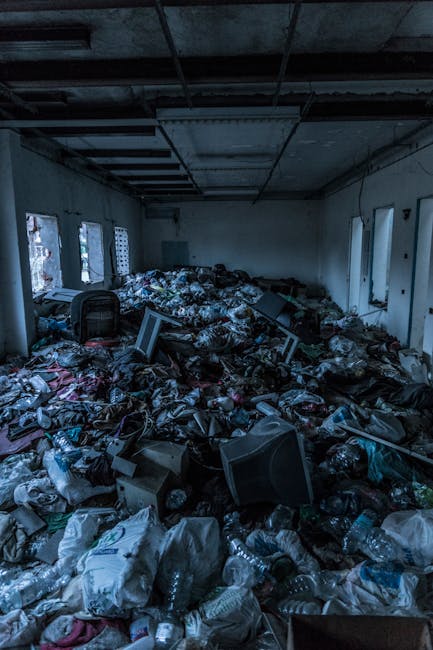
Room by Room Clearance Plan for Smooth Rubbish Removals
If you've ever stood in the middle of a cluttered home and thought, "Where on earth do I start?", you're not alone. A room by room clearance plan for smooth rubbish removals turns that overwhelm into a clear sequence of small jobs. Instead of dragging everything into one giant pile and hoping for the best, you work through the property in a sensible order, separate what stays from what goes, and make the removal day far less chaotic.
That matters whether you're clearing a family home, a flat after a move, a garage that's become a graveyard for old furniture, or a loft full of mystery boxes. The real advantage is simple: less waste, less stress, and fewer mistakes. And yes, you may even finish sooner than you expected. Funny how that works when the plan is not just "bin everything" and panic.
This guide walks through how to build a practical room-by-room system, what to clear first, how to avoid common mistakes, and when it makes sense to bring in help. If you want a more structured service approach alongside the planning side, pages like house clearance, home clearance, and waste removal can be useful starting points.
Table of Contents
- Why Room by room clearance plan for smooth rubbish removals Matters
- How Room by room clearance plan for smooth rubbish removals Works
- Key Benefits and Practical Advantages
- Who This Is For and When It Makes Sense
- Step-by-Step Guidance
- Expert Tips for Better Results
- Common Mistakes to Avoid
- Tools, Resources and Recommendations
- Law, Compliance, Standards, or Best Practice
- Options, Methods, or Comparison Table
- Case Study or Real-World Example
- Practical Checklist
- Conclusion
- Frequently Asked Questions
Why Room by room clearance plan for smooth rubbish removals Matters
A room-by-room plan is not just tidy thinking. It changes the way the whole job feels. When clutter builds up, people usually try to tackle the most visible mess first. That sounds logical, but it often leads to half-finished piles, duplicate sorting, and awkward corners left behind because nobody thought about access. A better approach is to work in order, one room at a time, with a clear rule for what happens to every item.
In practice, this means you can keep walkways open, protect flooring, and avoid mixing everyday rubbish with items that may be donated, recycled, stored, or handled separately. It also helps if your property has a narrow hallway, stairs, or shared access, which is common in many flats and older houses. You do not want a sofa wedged in the landing while you're still deciding what's going where. Trust me, that gets old fast.
It also reduces decision fatigue. Sorting a whole home in one go is mentally tiring. By breaking it down, you keep the work more manageable and less emotional, which is especially important during bereavement clearances, downsizing, or end-of-tenancy clean-outs. If you are dealing with a more specialised clearance, you may also want to look at flat clearance or loft clearance for situations where access and volume are part of the challenge.
How Room by room clearance plan for smooth rubbish removals Works
The method is straightforward, but the detail matters. First, you identify every room and area that needs attention. Then you decide the sequence, usually based on access, mess level, and how much each space affects the others. For example, you might clear the loft before the bedrooms if the loft storage is blocking items you need to keep, or start with the kitchen if that's where most of the disposable packaging and broken small items have built up.
Each room gets its own short cycle: assess, sort, bag, stack, and remove. Items are separated into practical groups such as keep, donate, recycle, dispose, and check later. You are not trying to make perfect decisions in the first five minutes. You are trying to create momentum. A small, steady rhythm beats a heroic burst followed by a cup of tea and a sigh. Let's face it, that tea break still happens, but the plan keeps it from turning into a full stop.
The system works best when you also think about load-out. Large furniture should be moved last in a room, not first, because it can block access. Mixed waste should be kept separate from bulky items where possible. And if the job involves building rubble, timber offcuts, or renovation debris, a separate stream may be needed, such as builders waste clearance.
Key Benefits and Practical Advantages
The biggest benefit is control. A room-by-room clearance plan gives you a sense of order even when the property feels messy or overcrowded. That control matters because rubbish removal is rarely just about lifting things out. It is about protecting what stays, managing time, and making sure the right items go to the right place.
Here are the practical advantages people notice most:
- Less clutter creep: items don't migrate from one room to another and create a second mess.
- Faster decision-making: you focus on one small area instead of the whole property.
- Better access: hallways, doors, and stairs stay usable for moving bulky waste.
- Lower damage risk: fewer bumps, scrapes, and awkward carrying routes.
- Cleaner recycling: items are easier to separate when they are sorted room by room.
- Less stress on the day: everyone knows what is happening next.
There is also a commercial benefit if you are comparing clearance options. A clean, organised property is easier to quote for accurately than one where all the waste has been piled together in the same corridor. For pricing clarity, some people like to review pricing and quotes before booking, especially if they want to understand what influences the final cost.
Who This Is For and When It Makes Sense
This approach suits anyone who wants a calmer, more efficient clearance. That includes homeowners, landlords, tenants preparing to move, families managing an inherited property, and small businesses clearing old stock or office furniture. It is especially useful when there are multiple types of waste in different rooms, or when some items need more careful handling than others.
It also makes sense when space is tight. Flats, maisonettes, terraced homes, and top-floor properties often need a bit more planning because carrying routes are limited. If that sounds familiar, a service page like office clearance can also be relevant for workspaces that need a structured empty-out, while garage clearance is useful where storage areas have simply become overfull with old tools, boxes, and odds and ends.
It is not always the right choice to do everything yourself, though. If the property contains heavy furniture, broken appliances, or mixed waste in poor condition, bringing in a professional team can save time and physical strain. The plan still helps either way. It just means the lifting happens more smoothly.
Step-by-Step Guidance
Below is a practical sequence you can follow. It is simple on paper, and that is part of why it works in real life.
1. Walk through the property first
Do a slow check of every room before moving anything. Look at volume, access, fragile surfaces, and anything that needs special care. This is the stage where you notice the awkward chest of drawers blocking the airing cupboard or the cracked mirror propped behind a wardrobe. Better to spot it now than when you are already carrying bags down the stairs.
2. Decide the clearance order
Choose rooms in a sequence that keeps routes clear. A common order is top floor or loft first, then bedrooms, then living areas, then kitchen, then hallway, and finally the entrance. But there is no single rule. In some homes, the kitchen needs to go first because it contains most of the loose waste and packaging. Use common sense. That still counts as strategy, by the way.
3. Set up sorting zones in each room
Use separate bags, boxes, or labels for different categories. A simple four-way split works well: keep, donate/sell, recycle, dispose. If you are handling bulky items too, leave those until the end of the room so they don't block your sorting space.
4. Remove obvious rubbish first
Start with the easiest items: broken packaging, empty bags, damaged household waste, and loose clutter. Early wins help build momentum. Once the small stuff is out, the room looks less overwhelming and you can judge the remaining items more clearly.
5. Deal with furniture and bulky items last
Large items take more planning and often need two people or more. Measure doorways, think about the lift if you are in a flat, and clear the route before moving anything. For old sofas, wardrobes, beds, or tables, a specialist page such as furniture clearance or furniture disposal can be useful if you want a more targeted approach.
6. Bag, label, and stage waste safely
Keep bags closed, avoid overfilling, and stack items where they will not topple. If a bag becomes too heavy, split it. It seems like a small thing, but it makes a real difference on removal day. Nobody enjoys a bursting bag halfway down the stairs. Nobody.
7. Clear one room fully before starting the next
This is the discipline that keeps the plan tidy. A finished room should be genuinely finished, not 90% done with a "we'll come back later" pile in the corner. Once it is cleared, do a quick sweep of the floor, check corners, and make sure you have not accidentally kept junk under a pile of clothes.
8. Finish with a final property sweep
When the main clearance is done, do one last walk-through. Look in cupboards, behind doors, on top of wardrobes, under beds, and in forgotten storage spaces. Small missed items are common, especially in lofts, garages, and busy family homes.
Expert Tips for Better Results
A good clearance plan is one thing. A smooth one has a few extra habits built in. These are the details that save time and frustration.
- Use the "clear path first" rule. Always create a safe exit route before lifting heavy items.
- Work in daylight if you can. Natural light makes sorting easier and reduces missed clutter in corners.
- Keep one box for "not sure yet". It stops indecision from freezing the whole room.
- Photograph expensive or sentimental items before moving them. Useful for records and peace of mind.
- Protect floors and doorframes. Cardboard, blankets, or basic coverings can prevent a lot of avoidable wear.
- Separate reusable items early. Don't let good stuff get buried under general rubbish.
If you are dealing with outdoor waste too, especially after a garden refresh or shed clear-out, a page like garden clearance can help you think about the outdoor side of the job in the same organised way. Same principle, different mess.
One small tip that people often ignore: keep a roll of tape and a marker handy. It sounds dull. It works brilliantly.
Common Mistakes to Avoid
Most clearance problems are not dramatic. They are small planning errors that snowball. The good news? They are easy to avoid once you know what to watch for.
- Starting in the middle of the house. This often blocks access and creates extra carrying.
- Mixing all waste together. Recycling becomes harder, and useful items get lost.
- Leaving bulky furniture too early. That can trap smaller items behind it.
- Underestimating hidden storage. Cupboards, lofts, and under-stair areas are where jobs go to hide.
- Forgetting lifting limits. Heavy items should not be forced by one person if the route is awkward.
- Not planning for special waste. Some items need separate handling, especially if they are damaged, sharp, or contaminated.
Another common mistake is trying to be "efficient" by rushing. Speed helps only when the plan is already clear. Otherwise, speed just creates a bigger mess with better shoes. To be fair, many people realise this halfway through and adjust. That's normal.
Tools, Resources and Recommendations
You do not need a van full of fancy equipment to carry out a good room-by-room clearance. A few basic items make the job much easier:
- heavy-duty bin bags
- stackable boxes or tubs
- labels or marker pens
- work gloves
- tape for sealing boxes
- a dolly or sack truck for bulky items if available
- a torch for lofts, cupboards, and corners
- cleaning cloths and a brush for the final sweep
For larger jobs, it is also wise to think about what you will do with separated waste streams. A professional rubbish collection service can help with mixed loads, while a more focused service may suit a single space or material type. For example, commercial premises often benefit from business waste removal, while someone clearing a storage-heavy property might need loft clearance.
If you are trying to compare service levels, look at practical factors rather than glossy promises: access time, load size, sorting support, and whether recycling is handled sensibly. The right fit usually feels straightforward, not complicated.
Law, Compliance, Standards, or Best Practice
When rubbish removals are involved, the safest approach is to follow sensible UK waste-handling practice. That means not fly-tipping, not mixing hazardous items with ordinary household rubbish, and making sure waste is passed to a legitimate carrier. If you are a landlord, business owner, or anyone responsible for a property, you should also be careful about record-keeping and who is moving the waste on your behalf.
For most household clearances, the main best practice is simple: separate items where possible, keep the site tidy, and do not leave sharp, heavy, or unstable objects in walkways. If there are damp materials, broken glass, exposed nails, or contaminated items, use extra caution. In some situations, specialist handling may be needed. This is especially true on renovation jobs where builders waste clearance may be more appropriate than ordinary household removal.
Insurance and safety also matter. If you are hiring help, it is reasonable to ask how they manage lifting, access, and public liability. You do not need a lecture. You need reassurance that the job will be done properly and with care. For background, a company's insurance and safety information can be a useful reference point, and a clear health and safety policy signals that the work is being approached responsibly.
Where recycling is part of the plan, it helps to favour services that explain how they handle recoverable materials. If sustainability matters to you, take a look at recycling and sustainability for a clearer sense of the mindset behind responsible disposal.
Options, Methods, or Comparison Table
There are a few ways to handle a room-by-room clearance. The best one depends on your time, the size of the property, and how much lifting you want to do yourself.
| Method | Best for | Pros | Trade-offs |
|---|---|---|---|
| DIY room-by-room sorting | Small to medium homes with manageable waste | Full control, flexible timing, low upfront cost | Time-consuming, physical effort, disposal logistics are on you |
| Hybrid approach | Homes with mixed waste and bulky items | Good balance of control and convenience | Needs a bit of coordination and planning |
| Professional clearance service | Large, urgent, or difficult clearances | Faster turnaround, less lifting, better for heavy loads | Usually costs more than doing it all yourself |
For many households, the hybrid route is the sweet spot. You do the sorting, label the piles, and let the removal team handle the heavy lifting and transport. If the property is particularly large or emotionally demanding, a more complete option like house clearance may be the least stressful route overall.
Case Study or Real-World Example
Picture a typical two-bedroom flat with a box room, a tight hallway, and a balcony holding three broken chairs, old plant pots, and a couple of bags of mixed clutter. The occupants want it cleared before a move at the end of the week. Nothing dramatic, just one of those jobs that looks manageable until you start opening cupboards.
The room-by-room plan begins with the box room because it blocks access to stored items. Small rubbish is bagged first, paperwork is separated, then the broken shelving is taken out last. The hallway is kept clear throughout, which makes the route from the flat to the vehicle much easier. Next, the bedroom is cleared, with clothes and soft goods sorted before the bed frame. Then the living room is tackled, leaving the bulky sofa until the end. The kitchen is left for last because it contains a few recyclable containers and a lot of loose packaging that would otherwise spread around the flat.
The outcome is usually calmer than a full-property scramble. There is less backtracking, fewer "where did that go?" moments, and less chance of scratching walls in narrow spaces. Small win, but a real one. People often finish the job looking around and thinking, well, that was more sensible than expected.
Practical Checklist
Use this checklist before you start. It keeps the job grounded.
- Identify every room, loft, garage, and storage area that needs clearing
- Choose the order of rooms based on access and priority
- Gather bags, boxes, labels, tape, gloves, and a torch
- Create sorting zones for keep, donate, recycle, and dispose
- Clear walkways and protect floors before moving larger items
- Remove loose rubbish before bulky furniture
- Keep heavy or sharp items separate and secure
- Do a final room sweep after each space is finished
- Check hidden storage spots, including cupboards and under beds
- Confirm how remaining waste will be removed or collected
Expert summary: the smoothest removals happen when the room plan is simple, the sorting rules are consistent, and the exit route stays clear. That is the whole trick really.
Get a free quote today and see how much you can save.
Conclusion
A room by room clearance plan for smooth rubbish removals is one of those ideas that sounds almost too basic to matter, yet it makes a huge difference in practice. You work faster because you are not trying to solve the whole house at once. You stay safer because walkways remain usable. You waste less because items are sorted before they are moved. And, perhaps most importantly, the job feels manageable.
Whether you are clearing a family home, a flat, a loft, an office, or a garage full of long-forgotten bits, the same principle applies: small, ordered steps beat one frantic sweep every time. Start where access is hardest, keep your categories clear, and finish each room properly before moving on. It is a simple rhythm, but it works.
If you take one thing from this guide, let it be this: a calm clearance is usually a planned clearance. And a planned clearance tends to leave you with more energy, less mess, and a much better feeling at the end of the day.
Frequently Asked Questions
What is a room by room clearance plan for smooth rubbish removals?
It is a structured way of clearing waste and unwanted items one room at a time instead of tackling the whole property in one go. The aim is to keep sorting, movement, and disposal organised so the job feels smoother and less stressful.
Which room should I clear first?
That depends on access and what is blocking the rest of the property. Many people start with lofts, box rooms, or storage-heavy areas, while others begin in the kitchen or hallway if those areas are causing the main bottleneck. There is no single rule, but the first room should usually make the rest easier.
Does a room-by-room plan help with bulky furniture?
Yes, very much so. It lets you remove smaller clutter first, create access routes, and leave furniture until the end of each room. That usually reduces the chance of damage and makes lifting more predictable.
Is this method useful for flats and smaller properties?
Absolutely. In flats, narrow hallways, stairwells, and shared entrances make planning even more important. A room-by-room system helps you avoid blocking access and keeps the moving route clear.
How do I sort items while clearing each room?
A simple four-way system works well: keep, donate or sell, recycle, and dispose. If you are unsure about an item, place it in a separate "decide later" box so it does not interrupt the whole process.
What if I find broken or damaged items during the clearance?
Set them aside as soon as you spot them and keep them separate from reusable goods. Damaged items can sometimes be sharp, dusty, or awkward to handle, so it is better to stage them safely before moving them out.
How long does a room-by-room clearance usually take?
That varies a lot depending on the size of the property, how much is being removed, and how much sorting is needed. A small room might take less than an hour, while a heavily cluttered room can take much longer. The advantage of the method is that the time is easier to plan.
Should I clear the loft or garage separately?
Yes, often that is the best approach. Loft spaces and garages tend to contain a mix of storage, bulky items, and forgotten waste, so treating them as separate zones keeps the job more organised and safer.
What should I do with items I want to keep?
Move them out of the clearance zone as early as possible. If kept items stay in the same room, they can get mixed back into the waste pile or damaged during carrying.
Is it better to do this myself or hire help?
That depends on the amount of waste, the weight of the items, and how much time you have. DIY works well for smaller jobs, but large or awkward clearances are often easier with professional support. A hybrid approach is common, where you sort first and let the removal team handle transport.
How can I make rubbish removals safer?
Keep floors clear, do not overload bags, use proper lifting technique, and separate sharp or heavy items. If there are awkward stairs, narrow corridors, or damaged items, slow down and plan the route before lifting anything.
What happens if I mix recyclable items with general waste?
It makes sorting harder later and can reduce how much material is recovered properly. That is why a room-by-room plan works well: you can separate recyclable items as you go instead of trying to sort a huge mixed pile at the end.
Where can I learn more about responsible disposal and service options?
It helps to review practical pages such as recycling and sustainability, insurance and safety, and payment and security. They can give you a better sense of how a clearance service is set up and what standards to expect.