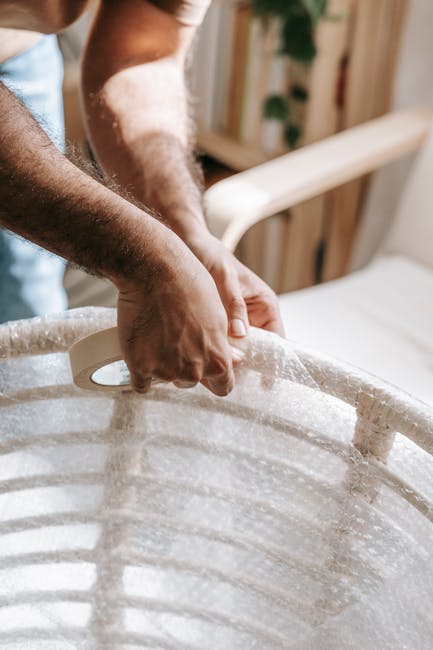
Preparing bulky furniture for safe household rubbish collection
Bulky furniture has a habit of looking manageable right up until the moment you need to move it. A sofa that seemed fine in the corner suddenly feels twice as heavy in the hallway. A wardrobe with awkward fittings catches on the door frame. And a bed base that should be simple turns into a wobbly, splintery puzzle. That is exactly why preparing bulky furniture for safe household rubbish collection matters so much. A bit of sensible prep can reduce injury risk, protect your walls and floors, and make collection day far less stressful.
Whether you are getting rid of one tired armchair or clearing several large items after a move, the goal is the same: break the job into safe, realistic steps. In this guide, we will look at what good preparation involves, how the collection process usually works, where people go wrong, and when it makes sense to book a professional furniture clearance service or wider waste removal option. Let's face it, no one wants a Monday morning back twinge for the sake of an old chest of drawers.
Expert summary: The safest approach is usually simple: empty the item, check for hazards, dismantle where practical, remove loose parts, protect access routes, and only move what you can control. If the furniture is too heavy, bulky, or awkward, step back and arrange help before the moving starts.
Table of Contents
- Why Preparing bulky furniture for safe household rubbish collection Matters
- How Preparing bulky furniture for safe household rubbish collection Works
- Key Benefits and Practical Advantages
- Who This Is For and When It Makes Sense
- Step-by-Step Guidance
- Expert Tips for Better Results
- Common Mistakes to Avoid
- Tools, Resources and Recommendations
- Law, Compliance, Standards, or Best Practice
- Options, Methods, or Comparison Table
- Case Study or Real-World Example
- Practical Checklist
- Conclusion
- Frequently Asked Questions
Why Preparing bulky furniture for safe household rubbish collection Matters
Bulky furniture is not just "more rubbish". It is often heavy, awkward, brittle in places and hard to grip properly. A sofa may contain a metal frame, springs, staples, and dense foam. A wardrobe might be top-heavy, with panels that flex unexpectedly. A table can have loose legs or hidden screws that shift as you lift it. Preparing it properly is about controlling those risks before collection day arrives.
There is also a practical side. Collections usually move more smoothly when the furniture is stripped down and easy to access. That can mean less time at the kerb, fewer delays on the day, and a cleaner handover overall. If you are planning a larger clear-out, you may also find it helpful to combine the job with a house clearance or home clearance service, especially where several rooms are involved.
And then there is the neighbour factor. In flats, terraces and tight streets, bulky items can block shared entrances or stairwells if they are left half-moved. A careful plan keeps the building usable for everyone. Small detail, big difference.
In our experience, the households that prepare well tend to have a much calmer collection day. There is less scrambling for tape, less hunting for a screwdriver, and fewer "actually, can we leave that attached?" moments when everyone is already at the door.
How Preparing bulky furniture for safe household rubbish collection Works
The process is usually more straightforward than people expect. You are not trying to make the item perfect; you are trying to make it safe, movable, and easy to assess. That starts with identifying what the item is made of, whether it can be dismantled, and whether it contains anything that could cause harm during handling.
Most bulky furniture preparation follows the same broad pattern:
- Inspect the item for damage, hidden fixings, glass, sharp edges, or contents left inside.
- Remove loose items such as cushions, drawers, shelves, bedding, or decorative fittings.
- Dismantle where sensible, especially where large pieces would be safer in smaller sections.
- Secure parts like screws, bolts, and detachable legs so they do not go missing or create trip hazards.
- Protect your route through the home so floors, walls, and bannisters are not damaged during movement.
- Position items accessibly for collection, keeping them out of fire exits, shared hallways, or walkways.
For collection teams, the ideal is simple: clear access, no surprises, and items that can be lifted or carried without improvisation. That makes the job faster and safer. It also reduces the chance that an item has to be refused because it has not been made ready.
If the furniture is part of a bigger sort-out, you can often save time by grouping it with related items. For example, a garage-loaded set of shelves and a broken desk can be handled alongside a garage clearance or an office clearance where applicable. No need to overcomplicate it.
Key Benefits and Practical Advantages
Good preparation does more than keep people safe. It makes the whole collection feel less disruptive and far more predictable. That matters when you are already dealing with a move, a bereavement, a tenancy change, or the simple fact that a sofa has finally given up after years of loyal service.
- Lower injury risk: fewer awkward lifts, fewer sudden shifts in weight, and a reduced chance of trapped fingers or strained backs.
- Less property damage: protected corners, floors and doorframes are less likely to be scuffed or chipped.
- Faster collection: items that are ready to move save time at the property.
- Cleaner organisation: screws, fittings, and separate components are easier to keep together.
- Better recycling potential: furniture that is sorted properly is easier to assess for reuse or material recovery.
- Less stress: and this one is not small. Collection day feels much more manageable when the hard thinking has already been done.
There is also a quieter benefit: it helps you make better decisions. Once you inspect a big item properly, you may realise it can be repaired, donated, or separated into parts rather than simply tipped as one lump. That is where services focused on furniture disposal or furniture clearance can become useful, especially when you want a cleaner, more responsible outcome.
Who This Is For and When It Makes Sense
This topic is most relevant for anyone dealing with large household items that are too awkward for a normal bin collection. That includes sofas, wardrobes, dining tables, bed frames, mattresses with frames, bookcases, office chairs, sideboards, and modular storage units. If you have ever tried to angle a wardrobe around a tight turn in socks, you already know why planning matters. Not ideal, really.
It makes particular sense for:
- homeowners replacing old furniture during a refurbishment
- tenants moving out and needing to leave a property clear
- landlords preparing a property between lets
- families dealing with inherited furniture during a house sort-out
- people without a suitable vehicle or lifting help
- anyone with a narrow stairwell, shared entrance, or awkward access route
If you are in a flat, the practical issues tend to multiply quickly. Lifts may be too small, stairwells may be narrow, and neighbours may still be using the same entrance. In those cases, a more coordinated approach such as flat clearance can reduce the chances of a frustrating half-hour spent balancing a sofa on a landing while everyone politely pretends not to stare.
This is also a good fit for people who are comfortable doing some prep but do not want to carry the whole burden alone. That is a very reasonable place to be. Truth be told, most people fall into that category.
Step-by-Step Guidance
Here is a simple, realistic method for preparing bulky furniture for safe household rubbish collection. You do not need specialist training for every item, but you do need patience and a sensible order.
1. Empty the furniture completely
Remove books, clothes, cushions, bedding, ornaments, and any small loose items. Check drawers, underneath shelves, and hidden compartments. The number of people who discover a random battery, old receipt or single sock inside a cabinet is higher than you would think.
2. Check for hazards
Look for broken glass, protruding nails, cracked panels, mould, insects, damp patches, or exposed springs. If the item has sharp edges, tape or cover them where possible. If there are signs of contamination or heavy mould, be cautious and do not handle it casually.
3. Measure access routes
Before you move anything, check the width of doorways, hallways, stair turns, and any external paths. Sometimes the furniture is not the problem; the route is. Knowing this early saves a lot of awkward shuffling later.
4. Dismantle what can be safely separated
Take off legs, shelves, arms, doors, headboards, or detachable sections if the structure allows it. Use the right tools and keep all fixings in a labelled bag or container. If it is held together by mystery alone, stop and reassess. Some items are not worth forcing apart.
5. Protect your home
Lay down coverings if you can, especially on polished floors, stair edges, or narrow corners. Move slowly and keep one person guiding if the item is long or heavy. A tiny scratch on a bannister can be annoyingly visible for years.
6. Position the item for collection
Place the furniture where it can be reached safely and without blocking exits. If a collection team is arriving, make sure they can access the item without navigating a cluttered hallway. If you have arranged broader help through loft clearance or a general waste removal booking, let the provider know about access restrictions in advance.
7. Keep a final walk-through in mind
Before collection time, do one last check: screws bagged, hazards removed, route clear, pets safe, and doors open if needed. That final sweep sounds minor, but it often prevents the small problems that derail the day.
Expert Tips for Better Results
A few small habits make a big difference, especially with bulky items that are difficult to control once they start moving.
- Work backwards from the exit. Start by thinking about where the item will end up, then plan the route out of the room and home.
- Use two people for awkward pieces. A second person can steady, guide, and warn about tight corners. It is not just about strength.
- Keep the fixings together. Small bags taped to a larger component can save a lot of confusion.
- Don't over-dismantle. If taking something apart makes it less stable or more dangerous, stop. A partial dismantle is often enough.
- Watch for hidden weight. Some furniture looks light but has dense timber, chipboard, or built-in mechanisms.
- Think about weather. If items must be moved outside briefly, rain can make surfaces slippery and add mess. A damp sofa on a wet path is never fun.
- Ask about recycling routes. Some furniture can be directed through more responsible handling where materials are separated rather than mixed.
One useful habit is to slow down the moment a lift feels uncertain. People often speed up when an item becomes awkward, which is exactly when accidents happen. A pause, a reset, and a fresh grip are boring, yes, but boring is good here.
Common Mistakes to Avoid
Most issues come from rushing, not from bad intentions. The common mistakes are easy to spot once you know them.
- Leaving drawers full: that extra weight can unbalance the whole piece.
- Forgetting hidden contents: old paperwork, batteries, or metal fixings can fall out during lifting.
- Forcing furniture through a space: if it does not fit cleanly, stop and reassess rather than scraping it through.
- Using the wrong tools: a basic screwdriver is safer than improvising with whatever is nearby.
- Ignoring sharp points or broken glass: tape, wrap, or isolate them before anyone gets cut.
- Blocking exits: a hallway full of furniture can create both a trip hazard and a fire safety issue.
- Assuming one person can do it all: sometimes the proud "I can manage" moment is the one that leads to a strained shoulder.
Another sneaky mistake is forgetting to plan the end point. If the item is outside, where exactly will it sit? Is there enough room? Is it sheltered? Has it been placed so it will not block bins, parking, or neighbours? Those tiny details matter more than they sound.
Tools, Resources and Recommendations
You do not need a van full of kit, but a few items make the process smoother and safer.
| Tool or item | Why it helps | Best use |
|---|---|---|
| Basic screwdriver set | Removes legs, hinges, brackets, and covers | Flat-pack and assembled furniture |
| Strong tape or labels | Keeps fixings and small parts together | After dismantling |
| Gloves | Protects hands from splinters, dust, and sharp edges | General handling |
| Protective floor coverings | Reduces scuffs and marks on floors or stairs | Long or heavy moves through the home |
| Marker pen and bags | Helps organise screws and removable parts | Multi-piece furniture |
When the job is larger than expected, the smartest recommendation is often not more tools; it is more help. That may mean arranging a wider furniture clearance or checking how the provider handles mixed household items. If the clearance is part of a bigger property clean-out, services like house clearance or home clearance can be a better fit than trying to piece the job together yourself.
For people comparing service options, it also helps to look at pricing and quotes carefully so you understand what is included before collection day. And if sustainability matters to you, take a look at recycling and sustainability information so you know how reusable or recyclable parts may be handled.
Law, Compliance, Standards, or Best Practice
When you are dealing with household rubbish collection in the UK, the main thing to keep in mind is duty of care and safe handling. In plain English, that means you should not present waste in a way that creates an avoidable risk to people, property, or the environment. If the furniture contains items that are hazardous, contaminated, or unusually heavy, treat them with extra caution and seek the right help rather than guessing.
It is also sensible to follow local collection rules where they apply. Councils and private collection services may differ in how they want bulky items prepared, whether items need to be dismantled, and where they should be left for access. Best practice is to confirm the provider's expectations before the day, especially for flats or shared buildings. A quick check can save a lot of back-and-forth.
From a safety standpoint, the key principles are simple:
- do not block fire exits or communal routes
- keep walking areas clear of loose fixings and sharp fragments
- do not attempt unsafe lifting
- use suitable protection when handling damaged items
- make sure the collection point is safe and accessible
If you are unsure whether an item can be safely moved, it is better to ask before collection than to push ahead and hope for the best. Hope is not a lifting method, after all.
For companies or landlords managing larger volumes, it is worth reviewing wider service information such as health and safety policy, insurance and safety, and terms and conditions so expectations are clear before work begins.
Options, Methods, or Comparison Table
There is more than one way to deal with bulky furniture. The best method depends on the item, your access, your time, and your confidence with heavy lifting.
| Method | Best for | Pros | Watch out for |
|---|---|---|---|
| DIY preparation and council collection | Single items, simple access, confident householders | Can be straightforward and low effort if the item is easy to move | May require specific prep, timing, or waiting for the next collection slot |
| Private bulky item collection | Heavier items, tighter schedules, awkward access | Often more flexible and tailored to the property | Preparation standards can vary, so check expectations in advance |
| Furniture clearance service | Multiple large items or mixed household furniture | Useful when you want several items handled in one go | Costs and access requirements may vary by volume and complexity |
| Full property clearance | Moves, probate, downsizing, major tidy-ups | Least stressful when many rooms are involved | Needs clear instructions and a bit more planning |
In practical terms, if you are moving one disassembled desk from a spare room, a simple collection may do the job. If you are tackling three wardrobes, a bed frame, and a sofa from a flat with a narrow stairwell, a more complete clearance route is usually the sensible call. There is no prize for making life harder than it needs to be.
Case Study or Real-World Example
Here is a typical scenario. A family is preparing to move out of a two-storey home. In the front bedroom sits a large wardrobe with removable doors, a bed frame, and an old armchair that has been through a few winters and is now sagging at one corner. The hallway is narrow, the staircase bends sharply, and there is already a pile of moving boxes by the landing. Not exactly relaxing.
Instead of trying to drag everything out in one go, they start by emptying the wardrobe, removing drawers and shelves, and bagging the fixings. The bed frame is separated into smaller sections. The armchair is checked for loose staples and wrapped where the frame is exposed. They lay down coverings on the hallway floor and clear a wider route to the front door. Finally, the items are placed in a way that does not block the exit or the family's packed belongings.
The result is simple: fewer trips, less noise, and far less risk of scraping the wall on the turn between the stairs and the landing. A small thing, but the kind of small thing that saves the day. The family finishes quicker, the collection is easier, and nobody ends up muttering under their breath while holding a door open with one foot.
That same approach works just as well for a garage stack, a loft clear-out, or a single awkward sofa. The details change. The principles do not.
Practical Checklist
Use this checklist before bulky furniture is collected. It keeps the job tidy and reduces avoidable mistakes.
- Item emptied of all contents
- Loose parts removed and bagged
- Sharp edges, glass, or protruding fixings made safe
- Furniture dismantled only where safe and sensible
- Access route checked for width, turns, and obstacles
- Floors and corners protected if needed
- Collection point clear and not blocking exits
- Pets and children kept away from the moving route
- Any special instructions confirmed with the provider
- Final walk-through completed before the team arrives
If more than one large room is involved, pause and ask whether a fuller clearance would be easier. For some households, a single item pickup is enough. For others, a broader service is simply the calmer option.
Get a free quote today and see how much you can save.
Conclusion
Preparing bulky furniture for safe household rubbish collection is really about making a difficult job behave itself. Empty the item, check it properly, dismantle only where sensible, protect the route, and keep access clear. Those steps may sound basic, but basic done well is often what prevents the hassle. And the injury, too.
If you are dealing with several large items, a tight staircase, or a property that already feels full to the brim, there is no shame in choosing a more practical route. A well-planned collection, furniture clearance, or house clearance can take the pressure off and make the whole process feel much more manageable.
Take your time, trust the prep, and do not let one awkward wardrobe turn into a weekend-long saga. A calm, careful approach nearly always pays off in the end.
Frequently Asked Questions
Do I need to dismantle bulky furniture before collection?
Not always. If an item can be moved safely in one piece, dismantling may not be necessary. But taking off legs, doors, shelves, or other removable parts can make collection safer and easier, especially in tight hallways or stairwells.
What furniture items count as bulky household rubbish?
Typical examples include sofas, wardrobes, beds, bed frames, tables, cabinets, desks, large shelving units, and armchairs. If it is too big for normal household bins and awkward to move, it usually falls into the bulky category.
Can I leave a large sofa outside for collection?
Sometimes yes, but only if the collection provider or local arrangement allows it and the item is placed safely. It should not block pavements, entrances, or communal routes. Check access and safety first so the item does not create a new problem.
How do I make a wardrobe safe to move?
Empty it fully, remove shelves and drawers, detach doors if possible, and bag all fixings together. Check for loose panels and make sure the route out of the room is clear. Wardrobes can look tame until they start tipping, so a bit of caution goes a long way.
What should I do if the furniture is broken or unstable?
Do not rush it. Broken items can have sharp edges, loose fixings, or hidden collapse points. Stabilise what you can, protect sharp sections, and avoid lifting if the structure feels unreliable. If in doubt, arrange help rather than trying to muscle through.
Is it better to book furniture clearance instead of a general rubbish collection?
If you only have one simple item, a standard bulky collection may be enough. If you have several pieces, mixed household items, or awkward access, furniture clearance is often more practical because it is designed for that kind of load.
How early should I prepare bulky furniture before collection day?
Ideally, prepare the item the day before or earlier if possible. That gives you time to find tools, check access, and avoid last-minute rushing. Collection mornings can be busy enough already without hunting for a screwdriver at the door.
What if the furniture has glass panels or mirrors?
Handle those parts separately if they can be safely removed. Wrap or tape them carefully to reduce the risk of breakage and cuts. If glass is already cracked, avoid pressure on the frame and keep everyone clear while you work.
Can bulky furniture be recycled or reused?
Sometimes, yes. It depends on the condition of the item and the materials involved. Some furniture may be suitable for reuse, while others are broken down into recyclable components. A responsible provider will normally aim to divert as much as possible from disposal where practical.
What is the biggest mistake people make with large furniture?
Trying to move it before checking the route. People often focus on the item itself and forget the tight corner, low ceiling, or narrow doorway that causes the problem. A quick route check saves a lot of strain and a lot of muttered apologies.
Should I clear out drawers and cupboards before collection?
Yes, absolutely. Loose contents add weight and can fall out during handling. Emptying the furniture also makes it easier to dismantle and safer for anyone lifting or carrying it.
When should I ask for professional help?
If the item is too heavy, too awkward, too damaged, or simply too big for the access route, ask for help sooner rather than later. Professional support is especially useful for flats, shared entrances, and larger clear-outs where one mistake could cause damage or injury.