Best ways to sort household waste for faster collection
If your bins are overflowing, your bags are splitting, or the collection crew keeps leaving something behind, the problem is often not the collection day itself. It is the way the waste has been sorted. The best ways to sort household waste for faster collection are usually simple, practical, and a lot less fussy than people expect. Get the system right once, and suddenly the whole job feels calmer, cleaner, and quicker. No one wants to be standing in the rain at 7 a.m. with a half-tied black sack and a wobbling recycling box, honestly.
In this guide, you will learn how to separate waste efficiently, reduce contamination, prepare different waste types for easier pickup, and avoid the little mistakes that slow everything down. We will also cover what matters for UK homes, when extra support makes sense, and how to build a sorting routine that actually sticks.
Table of Contents
- Why sorting household waste well matters
- How faster sorting and collection works
- Key benefits and practical advantages
- Who this is for and when it makes sense
- Step-by-step guidance
- Expert tips for better results
- Common mistakes to avoid
- Tools, resources and recommendations
- Law, compliance, standards, or best practice
- Options, methods, or comparison table
- Case study or real-world example
- Practical checklist
- Conclusion
- Frequently Asked Questions
Why Best ways to sort household waste for faster collection Matters
Sorting waste properly is not just about being tidy. It affects whether your bins are collected on time, whether reusable materials can be recovered, and whether bulky or awkward items are left behind for another day. In many UK areas, collection crews work to tight schedules, and even a small mistake can slow the process down. A mixed bag, a loose shard of glass, or the wrong material in the wrong container can create a hold-up that spreads through the whole round.
There is also the simple reality of household life. Waste builds up in bursts: after a birthday, after a clear-out, after a weekend of flat-packing furniture that somehow came with six different kinds of packaging. If you sort as you go, rather than at the last minute, collection day becomes much easier. You can wheel things out faster, reduce spills, and avoid the "where does this go?" panic at the kerb.
To be fair, most people are not trying to do it badly. They just need a system that fits normal life. That is where good sorting pays off. It turns waste removal from a messy chore into something more predictable, and predictable usually means quicker.
How Best ways to sort household waste for faster collection Works
The basic idea is straightforward: separate waste into clear streams before collection day, then present each stream in a way that the crew or council can collect without sorting through it. The fewer decisions needed at the kerbside, the faster the pickup.
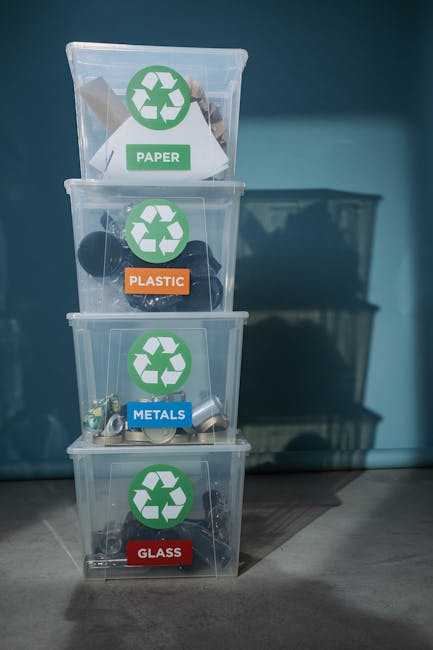
In practice, that usually means splitting your waste into categories such as general rubbish, mixed recycling, food waste, garden waste, and bulky items. Some homes also create a separate bag or box for batteries, small electrical items, textiles, and soft plastics if local services accept them. The exact categories vary by council or private collection provider, so the principle is the same even when the labels differ.
Here is the logic behind it:
- Contaminated recycling slows collection. One greasy pizza box or half-full food tub can make sorting harder downstream.
- Overfilled bags are awkward. Crews move faster when bags are tied, weight-managed, and easy to lift.
- Loose small items get missed. Keeping cardboard flat, bottles empty, and sharp waste wrapped helps avoid delays.
- Clear presentation saves time. When everything is visible and grouped, collection is smoother.
If you have ever watched a collection team pause over a bag because it is heavy, split, or full of mixed waste, you already know the point. Time disappears in the tiny checks. Not huge delays. Tiny ones. Then they stack up.
Key Benefits and Practical Advantages
Good waste sorting helps on several levels, and the benefits show up very quickly once you settle into a routine.
Faster collection at the kerb
Well-sorted waste is easier to lift, identify, and load. That means less fiddling around on collection morning and fewer items left behind. If your home produces a fair bit of waste each week, the time saving becomes noticeable.
Fewer missed collections
Collection crews often refuse or skip items that are not prepared correctly. Separate the material properly, and you reduce the risk of an awkward note on the bin lid or a bag sitting outside until the next round.
Cleaner storage at home
When waste is already separated, it is easier to keep smells down and avoid leaks. Food waste stays contained. Cardboard stays dry. Sharp or dirty items can be handled more safely.
Better recycling outcomes
Collected recyclables are more likely to be useful if they are clean and uncontaminated. That is especially true for paper, cardboard, glass, tins, and plastic containers. A quick rinse or shake is often enough, and it makes a bigger difference than people think.
Less stress on busy days
Let's face it, nobody wants collection day to become a mini expedition. A sorted system means fewer last-minute decisions, less rummaging, and less chance of missing the truck because you were still taping up a box when it rolled away.
Practical takeaway: the faster collection is, the less you ask the crew to sort on your behalf. Clear separation before pickup is the real time-saver.
Who This Is For and When It Makes Sense
This approach is useful for almost any household, but it is especially helpful if you have a busy home, limited storage, or regular mixed waste from family life. It also makes sense if you live in a flat with tight communal bin space, where one badly sorted bag can clutter the whole area.
You may benefit most if you are:
- trying to keep weekly bins under control in a family home
- living in a flat or maisonette with shared containers
- sorting packaging after online deliveries or furniture assembly
- dealing with garden waste, garage clutter, or loft clear-outs
- preparing for a house move or spring clean
- wanting to cut down on recycling contamination
It also makes sense before any bulk collection or clear-out. For example, if you are emptying a spare room, garage, or loft, sorting as you go can prevent a mountain of mixed stuff at the end. A room-by-room approach is usually easier than dragging everything into one pile and hoping for the best. There is a useful room-by-room clearance plan for smooth rubbish removals that fits that kind of job very well.
And if the waste is beyond what a normal bin day can handle, a more structured collection or clearance service may be the simpler route. The point is not to overcomplicate it. The point is to make the waste easy to move.
Step-by-Step Guidance
If you want the process to feel easy, build it in the same order every time. The habit matters more than the perfection.
1. Start with a quick sort zone
Pick one spot in the kitchen, utility room, hallway, or garage where items can be placed before they go out. Keep it dry if possible. A damp corner near the back door is not ideal, especially for cardboard and paper.
2. Separate by waste type
Create basic categories that suit your home and your local collection rules. Most households do well with these groups:
- General waste: non-recyclable rubbish, food-contaminated wrap, broken odds and ends
- Recycling: clean paper, cardboard, plastic containers, tins, cans, and glass where accepted
- Food waste: scraps, leftovers, peels, tea bags if accepted locally
- Garden waste: grass cuttings, leaves, prunings, small branches
- Bulky or special items: furniture, electricals, batteries, textiles, sharp items
3. Empty and rinse containers where needed
You do not need to sterilise a yoghurt pot. Just remove the obvious residue so it does not smell or contaminate the rest. A quick rinse is usually enough. Then let items dry if your system allows it.
4. Flatten cardboard and compress light packaging
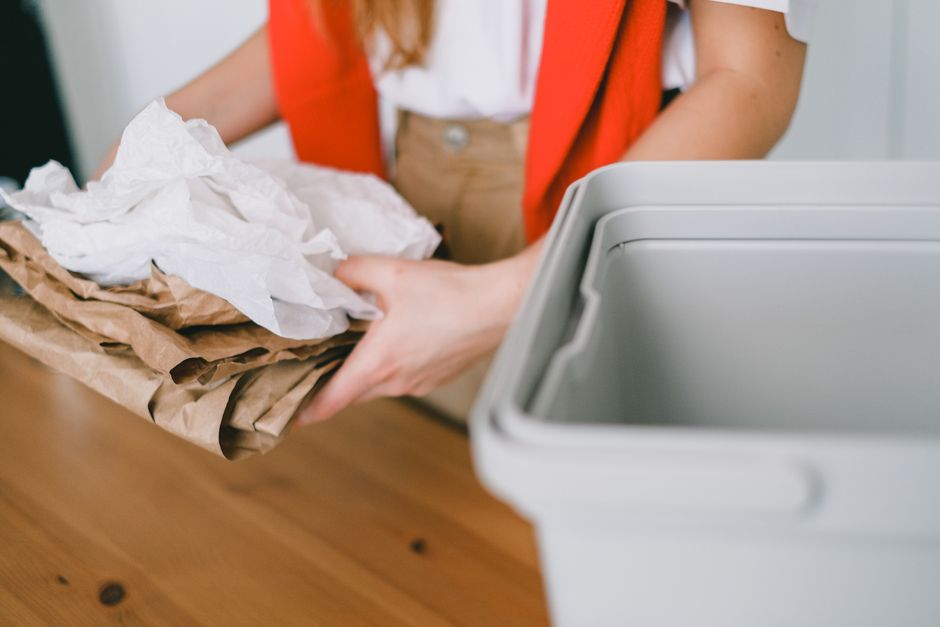
Boxes take up far too much room if left open. Break them down, flatten them, and stack them neatly. It sounds small, but it saves a surprising amount of space and stops recycling bags from becoming bulky before they are even full.
5. Wrap or isolate hazardous or sharp materials
If you have broken glass, blades, needles, or damaged metal edges, do not toss them loosely into a bag. Use thick paper, card, or a rigid container and label it clearly if needed. Safety first. Always.
6. Keep food waste separate and sealed
Food waste causes smells fast, especially in warmer weather. A caddy, lined container, or sealed bag helps keep flies down and reduces the "what died in here?" feeling that can creep in by Thursday afternoon.
7. Stage items by collection order
Put the easiest-to-move waste closest to the door or collection point first. If there are different collection days, arrange them so the next pickup is easiest to access without dragging everything around again.
8. Check what needs special handling
Batteries, paint, electronics, mattresses, large furniture, and bulky waste often follow different rules. If your local system does not accept something, do not force it into the nearest bin. That is the sort of shortcut that creates more work later.
When you get into the rhythm, it becomes almost automatic. One bag here, one box there, done. Simple, really.
Expert Tips for Better Results
There are a few habits that make a noticeable difference, even if your household is not especially waste-heavy.
Use clear labels on indoor containers
A label such as "cardboard only" or "food scraps" sounds basic, but it prevents muddling when the house is busy. In a shared home, labels save arguments too. Small miracle.
Keep recycling dry
Wet cardboard and damp paper are awkward to handle and may be harder to recycle. If rain is forecast, cover items or store them indoors until collection time. A soggy box at the kerb does nobody any favours.
Bundle similar shapes together
Glass bottles, cans, and flattened cartons are easier to manage when they are grouped. It is not about being neat for the sake of it. It is about speed and safe handling.
Schedule a mini sort before collection day
Ten minutes on the evening before pickup can save a lot of morning stress. That little pre-sort lets you spot anything that belongs elsewhere and avoids the last-minute scatter.
Know your bulky item triggers
Some homes accumulate bulky waste slowly: a broken chair, a dead vacuum cleaner, a garden table missing two legs. Once you have two or three awkward items, it is usually worth arranging a separate removal rather than waiting for them to clog the hallway for another month.
Keep a "maybe later" box for odd items
Not everything belongs in the bin immediately. Useful odds and ends like cables, small appliances, reusable containers, or scrap material can often be sorted later. This avoids tossing something out just because you are in a rush.
And yes, sometimes the system looks a bit too neat in theory. Real homes are messy. Kids, visitors, work, rain, all of it. The trick is not perfection. The trick is making the next collection day less annoying than the last one.
Common Mistakes to Avoid
Most collection delays come down to a handful of avoidable habits. The good news is they are easy to fix once you notice them.
Putting mixed materials into one bag
Mixed waste is the biggest slowdown. If recycling, general rubbish, and food waste end up together, the whole bag becomes harder to process and more likely to be rejected.
Overfilling bags and bins
If a bag bulges like it might burst, it is already too full. Overfilled containers are harder to lift and more likely to split. Leave a little room. It helps more than people expect.
Ignoring local collection rules
Council and private collection systems do not all work the same way. Some accept certain plastics, some do not. Some allow food waste collections; others use different containers. A quick check saves hassle later.
Leaving loose sharp items exposed
Broken glass, nails, and sharp metal can injure anyone handling the waste. Wrap them properly. This is one of those tiny jobs that really matters.
Mixing clean recyclables with greasy packaging
One dirty item can spoil a batch. A little food residue is not the end of the world, but heavily contaminated packaging is better kept out of recycling streams.
Waiting until collection morning to sort everything
This is the classic mistake. Morning sorting looks efficient until you are racing the clock and tying knots with cold fingers. Far better to do the sorting in advance.
Forgetting bulky or restricted items
People often leave large items until the last minute because they are awkward. Then the front room becomes a storage zone. If something is too big, too heavy, or too specific, deal with it separately.
Tools, Resources and Recommendations
You do not need specialist kit to sort household waste well, but a few simple tools make life easier.
| Tool or item | Best use | Why it helps |
|---|---|---|
| Stackable indoor bins | Kitchen or utility sorting | Keeps waste separated before it reaches the main bin |
| Clear labels | Shared homes or family kitchens | Reduces confusion and mixed bags |
| Reusable caddy | Food waste | Controls odour and makes emptying easier |
| Flattening space | Cardboard and packaging | Stops recycling from taking over the room |
| Heavy-duty bags or sacks | General waste or bulky tidy-ups | Less likely to split during handling |
| Gloves | Sorting sharp or dirty items | Adds a basic layer of protection |
For households preparing larger clear-outs, a structured plan is often more useful than extra bins. If the job involves old furniture, broken appliances, or cluttered storage spaces, it can help to look at specialist services such as furniture disposal, garage clearance, or loft clearance. Those options are often less stressful than trying to fit everything into regular collection limits.
If you are dealing with mixed domestic waste after a big tidy-up, you may also find a broader waste removal service more practical than several small trips to the kerb.
For people who like to reduce what they throw away in the first place, there is also a helpful sustainability angle. Reuse, repurpose, and recycle wherever possible. The site's recycling and sustainability page is a sensible starting point if you want to build better habits over time.
Law, Compliance, Standards, or Best Practice
Household waste sorting in the UK is usually shaped by local council guidance, property type, and the type of collection service you use. The exact rules vary, so it is always worth checking the current instructions for your area rather than assuming last year's setup still applies. That sounds obvious, but in real life people often keep using old habits until a bin is refused.
For ordinary households, the main best-practice principles are fairly consistent:
- separate recyclables from general waste where collection systems support it
- keep food waste and liquids out of dry recycling where possible
- present waste securely so it can be handled safely
- do not include hazardous or restricted materials in normal bins
- follow any local guidance for bulky, electrical, or garden waste
If you are managing waste in a shared block, rented property, or a home with communal bins, it becomes even more important to follow posted instructions. Missed sorting in one household can affect everyone nearby. Truth be told, that is where the arguments usually start.
When using a private collection company, look for clear information about what they accept, how they load items, and whether they provide any preparation guidance. If you need reassurance about handling and operational standards, health and safety policy and insurance and safety information are worth checking before booking. That is just good sense.
Options, Methods, or Comparison Table
There is more than one way to sort household waste quickly. The best option depends on how much waste you produce and how often you need it collected.
| Method | Best for | Pros | Limitations |
|---|---|---|---|
| Basic bin separation | Everyday household waste | Simple, low-effort, easy to maintain | Not enough for large clear-outs |
| Room-by-room sorting | Moves, decluttering, deep cleans | Very organised, reduces pile-ups | Takes a bit more upfront time |
| Category-based storage | Busy homes with regular recycling | Fast on collection day, easy to teach others | Needs enough indoor space |
| Bulk-clearance approach | Furniture, garage, loft, renovation waste | Best for awkward or large items | Usually needs a separate collection or service |
If your household waste is mostly normal weekly rubbish, category-based storage is usually the easiest win. If you are dealing with old furniture, forgotten boxes, or an entire room's worth of clutter, room-by-room sorting is better. And if the waste has become too bulky for standard bins, a specialist collection is often the least painful route. It is not glamorous, but it works.
Case Study or Real-World Example
A typical example is a small London flat after a few weeks of deliveries and a bit of life getting in the way. Cardboard from parcels starts building up by the hallway. A broken lamp is left by the desk. Food packaging goes into the nearest bin because the recycling caddy is full. Before long, collection day turns into a scramble.
Now compare that with the same flat using a simple sorting routine. Cardboard is flattened as soon as it arrives and stored dry by the door. Plastic and tins go into a separate recycling bag. Food waste is kept in a sealed container. The lamp is placed with small electricals rather than thrown into general rubbish. When collection day comes, everything is already grouped, lighter, and easier to move.
The difference is not dramatic in a flashy way. It is quieter than that. Less time spent hunting for the right bin. Less lifting. Fewer half-finished piles. And the hallway smells better, which never hurts.
We have seen the same pattern in homes after a garage or loft tidy-up too. Once people separate the waste early, the whole job feels smaller. They are less tired before the pickup even starts, which is half the battle.
Practical Checklist
Use this quick checklist before your next collection day.
- Waste is separated into general rubbish, recycling, food waste, and any special categories your area uses
- Cardboard is flattened and dry
- Recycling containers are empty and not heavily contaminated
- Food waste is sealed and stored neatly
- Sharp items are wrapped or boxed safely
- Bulky items are set aside for separate handling
- Bins and bags are not overfilled
- Collection instructions for your local area have been checked
- Nothing restricted has been mixed into ordinary waste
- The pickup point is clear and easy to access
If you can tick those off, you are usually in good shape. Not perfect. Just properly prepared, which is what really counts.
Get a free quote today and see how much you can save.
Conclusion
The best ways to sort household waste for faster collection come down to a few steady habits: separate by type, keep things clean and dry, handle bulky or sharp items properly, and stage everything so it is easy to collect. Once that routine is in place, collection day stops feeling like a rush and starts feeling like a simple handover.
For some homes, a better sorting system is enough. For others, especially after a clear-out or when furniture and awkward items are involved, a more structured waste removal option makes life easier. Either way, the goal is the same: less mess, less stress, and a quicker route from clutter to clear space.
Small systems make a big difference. And honestly, once you have got it sorted, you do notice how much smoother the week feels.
Frequently Asked Questions
What is the fastest way to sort household waste for collection?
The fastest method is to create separate containers for general waste, recycling, and food waste, then flatten cardboard and keep bulky items apart. If you do a quick sort as items are created, collection day becomes much quicker.
Should I rinse recycling before putting it out?
Usually, yes. A quick rinse or shake helps remove food residue and reduces smells. You do not need to scrub containers thoroughly, but they should not be heavily contaminated.
Can I put mixed waste in one bin if I am in a hurry?
It is better not to. Mixed waste is more likely to be rejected or slowed down during collection. Even a rushed system works better if you keep recycling and general rubbish separate.
What household waste should never go in normal bins?
Batteries, paint, sharp objects, certain electrical items, and other restricted or hazardous materials should not be tossed into ordinary bins. Local guidance can vary, so check what your area accepts.
How do I stop food waste from smelling before collection?
Use a sealed caddy or lined container, empty it regularly, and keep it away from heat where possible. In warmer weather, more frequent emptying really helps.
What is the best way to sort cardboard and packaging?
Break down boxes, remove obvious non-paper inserts if required, and keep them dry. Flattening cardboard saves space and makes it much easier to collect.
Do I need separate containers for every waste type?
Not always. Some homes only need a few simple zones or bags. The right setup depends on your space and the collection service you use. Start small and build only what you actually need.
How should I handle bulky items like old furniture?
Keep bulky items separate from everyday waste and do not leave them mixed into bin bags. Furniture, mattresses, and large household items often need a different collection method or dedicated removal service.
Is it better to sort waste daily or once a week?
Daily sorting is easier for busy homes because it stops waste from building up. A weekly tidy-up can work too, but the risk is that everything becomes a single pile by the end.
What should I do if my council collection rules are unclear?
Check the latest local guidance before collection day. If the instructions are confusing or your waste includes unusual items, keep them separate until you know the correct route. That avoids accidental contamination.
How can I speed up collection day in a flat or shared property?
Label containers clearly, keep recycling dry, and avoid leaving loose bags in communal areas. In shared spaces, consistency matters because one bad bag can slow the whole bin area down.
When is a private waste removal service worth it?
If you have bulky items, too much mixed waste for normal bins, or a clear-out that needs finishing quickly, a private service can save time and hassle. It is often the practical choice when the mess has outgrown the bin system.